Los relatos cultivan el arte de prolongar la experiencia de la presencia.
Es el arte del ritmo y del paisaje entre varios mundos,
el arte de hacer sentir varias voces. Vacilar, caminar en el medio,
un verdadero medio, no en el de una línea, sino el de líneas múltiples.
Vinciane Despret
Un mensaje en una carta inaugura una serie de rituales que, se tejen alrededor de una ausencia o, mejor dicho, alrededor de aquello que, en la muerte, se ausenta. La carta escrita en letra minúscula es atesorada, evidentemente, por la destinataria que, otorga a esa delicada ficción narrativa, un carácter ceremonial y sagrado.
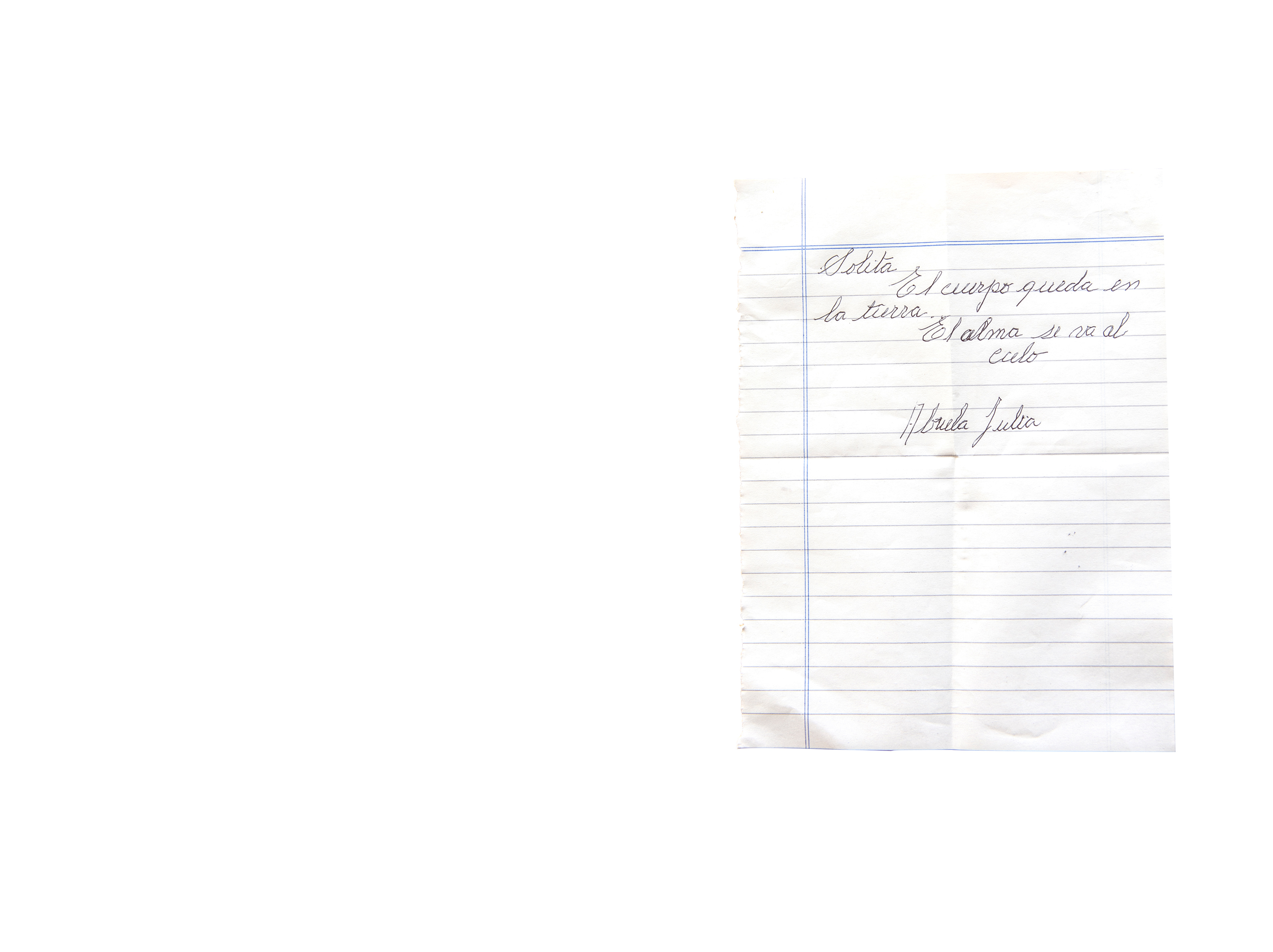
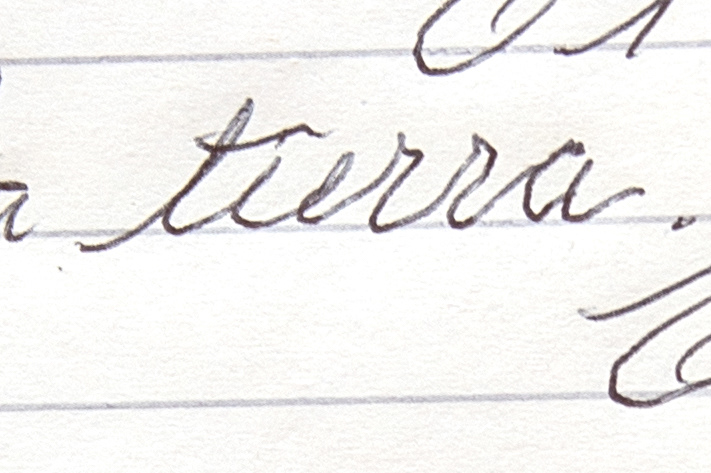
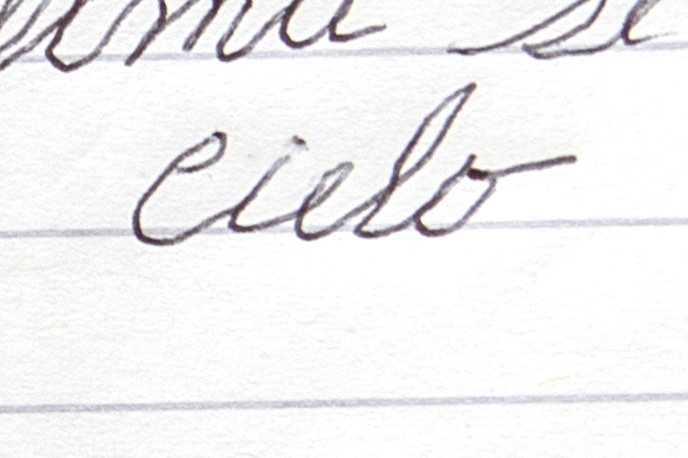
En una hoja de cuaderno, el mismo que los niños suelen llevar a la escuela, Julia escribe un epígrafe. En la oracular metafísica de sus versos despliega las coordenadas para una investigación sobre lo que aparece y desaparece, es decir, sobre lo visible y lo invisible. El cuerpo queda en la tierra. El alma se va al cielo. Los angostos renglones de la hoja apenas pueden sostener la anatomía ondulante de sus alegres y coquetas letras. Letras que, en su combinatoria precisa disponen para el lector curioso y entrometido, una versión extraña y compleja de una larga discusión teológica y filosófica. Sin embargo, la carta, no se presenta con la voz de quien quiere imponer una verdad sino, más bien, al contrario, como un mensaje unívoco de una abuela a su nieta, Soledad. La privacidad es tan contundente que, la materia blanca del papel, exhibe las huellas de su propia introspección; doblada en cuatro partes para esconder en el interior de esa arquitectura precario el mensaje o conjuro. Ese origamis casual del pliegue dibuja para el ojo lector una composición entre verticales y horizontales que, se superponen en un centro. Ese paisaje abstracto, entonces, creado por la dimensión perfomática, se añade al mensaje conceptual de la abuela, aunque ambos se abrazan en la dimensión afectiva. Resulta impresionante leer a la abuela distinguiendo el cielo de la tierra y observar, al mismo tiempo que, las manos lo reiteran y trazan, sin dudarlo, con un simple gesto.
Como decíamos, lo que aquí se intenta transmitir no es una verdad científica sino una certeza, una figura limitada a determinado mundo posible donde abuela y nieta comparten un secreto. Sin embargo, lo que Julia afirma contiene una gran cantidad de referencias, un conjunto de significados que se aplican a esos enunciados. En primer lugar, la ya mencionada, distinción entre tierra y cielo, a la que se le suma la división entre cuerpo y alma. Recordemos, lo escrito “El cuerpo queda en la tierra. El alma se va al cielo”. El punto que divide ambos enunciados es, de alguna manera, la línea de horizonte entre el cielo y la tierra. Aunque Julia, nos advierte de una pequeña inversión que, ella misma deja escapar en la epístola familiar, y es que, primero menciona la tierra y luego el cielo; en ese orden dispone los elementos de un paisaje apócrifo, en una escritura que, se garabatea, entre ella y su nieta. En ese oráculo secreto, la abuela susurra a su nieta que, en la tierra, no en mundos abstractos, sino en la materia de donde la vida proviene, lo árboles, las flores y el agua; en esa materia de la cual fueron hechas todas las cosas y de la que los cuerpos participan desde el origen, es donde siempre el cuerpo queda. Es decir, el cuerpo no ira a ninguna parte, el cuerpo queda en la tierra, enredado a las cosas, sin dramatismo, ni exceso de melancolía, el cuerpo queda en la tierra. Sin embargo, ella dice el cuerpo y no mi cuerpo dándonos a entender que, todo cuerpo permanece donde siempre estuvo, así el cuerpo de su madre, y el de la madre de su madre, el cuerpo de su hija, el de su nieta y así, sucesivamente. Allí, en un gran compost pagano, vivos y muertos reunidos en la inagotable fuente terrenal.
El segundo enunciado, fue organizado como reflejo del primero pero, al mismo tiempo como opuesto, en él leemos que, el alma se va al cielo. A diferencia del primero, donde lo que está en la tierra se queda en ella, el alma que también se encuentra en ella, se va. Por otra parte, también sabemos, porque Julia nos lo ha hecho saber que, para que el alma pueda irse, el cuerpo debe quedarse en la tierra, es decir, el cuerpo debe reencontrarse con la tierra donde otros cuerpos se han quedado y esa decisión de quedarse en la tierra, es lo que impulsa al alma a irse. Aunque, habría que considerar un supuesto anterior a todo esto y es que, Julia admite la existencia del alma, un alma que puede irse, quizás no muy lejos, es cuestión de investigar donde queda ese cielo, lo que si sabemos es que, el alma se encuentra en movimiento. De alguna manera, la explicación sería que, el alma se va del cuerpo porque el cuerpo abandona su forma humana, al quedarse en la tierra y volverse materia.
Ahora bien, si el orden de su escritura anunciará, en primer lugar, el alma yéndose, en segundo tendríamos un cuerpo condenado y abandonado, sin embargo, sucede a la inversa. El alma, la cual es constitutiva del ser que delimita ese cuerpo y que, es una con la carne, se retira al cielo, se separa del cuerpo, una vez que el cuerpo deja de serlo. El alma, entonces es un exceso misterioso de ese cuerpo, el soplo sutil y maravilloso que, anima toda facultad singular para convertirnos en individuos, únicos, como Julia y Soledad.
Al intentar localizar el cielo de Julia siguiendo sus instrucciones oraculares deducimos que se encuentra debajo de la tierra. En ese caso, es bastante factible que, las raíces de la tierra del compost sagrado lleguen a rozar y tocar ese cielo subterráneo e, inclusive, se alimenten de sus minerales profundos y brillantes o beban las aguas claras de lo invisible; escuchen e imiten el lenguaje precioso de las almas viajeras.
Los territorios simbólicos, cargados de una infinita cantidad de seres mitológicos, mágicos y religiosos como la tierra y el cielo se combinan en una delicada línea divisoria, una frágil frontera donde el cielo subterráneo y la tierra celestial, son altamente susceptible de mutua contaminación. Mientras, el cielo cristiano se reconoce como la geografía más inalcanzable, la tierra es la región del cuerpo, inevitablemente, pecador. Por el contrario, en la organización espacial de Julia, la tierra es superior mientras que, el cielo yace en alguna concavidad, en el hueco posterior de esa tierra, en constante transformación. La transformación, en dicho contexto, evoca lo que Emanuel Coccia, define como una metamorfosis: La metamorfosis es a la vez la fuerza que permite que todo viviente se despliegue sobre varias formas de manera simultánea y sucesiva y el aliento que permite que estas formas se conecten entre sí, que pasen una en la otra.
Una abuela, sin querer, con la letra más clara y prolija del amor, invierte el orden establecido para conceder a lo que ama un paisaje secreto. Antes de que, el cuerpo se quede en la tierra y el alma se vaya el cielo, Julia entrega a Soledad a “Solita”, solo a ella, una carta muy precisa, las indicaciones exactas para saber dónde encontrarla. Es muy claro que, ese lugar es una invención entre ellas, no es ni la tierra ni el cielo de los cánones religiosos establecidos, no son las categorías de la ciencia, ni ninguna otra cosa que pueda generalizarse.
La carta, en este sentido, además de ser un mensaje de complicidad y belleza, es un dispositivo de acción para habitar este mundo. En ella, en la carta, no se establecen mediciones temporales, ni condiciones diferenciadas, entre vivos y muertos. Lo que, la carta podría estar diciendo es que, siempre el cuerpo tiende a quedarse en la tierra y que el alma siempre busca lo celestial. Es decir, que esa tensión entre cuerpo y alma serían potencias y fuerzas instaladas en nuestra propia condición vital. La escritura, últimas palabras de la abuela a su nieta, remite a un segundo nivel de búsqueda, ese lugar donde tierra y cielo invierten su ubicación, es parte del proceso vital y no su culminación. Es un medio para encontrarla y seguir haciéndole preguntas, tal como escribe Vinciane Despret en “A la Salud de los Muertos”: …abordar la pregunta de manera tal que no se pierdan de vista ni a los vivos ni a los muertos, es aprender a seguirlos o a encontrarlos a través de lo que une, de lo que los mantiene juntos.
Es, en la tierra donde todos los cuerpos se encuentran, incluyendo recuerdos y vestigios de materia en el devenir vital. Así, los vivientes pueden abrirse a la muerte para comprender que, en ella, la vida es lo que es, otorgando a los muertos esa capacidad de transfiguración para que, en la materia, se hilvanen como en un collar de perlas, lo visible y lo invisible, reunirlo alrededor del cuello, llevarlo en el cuerpo.
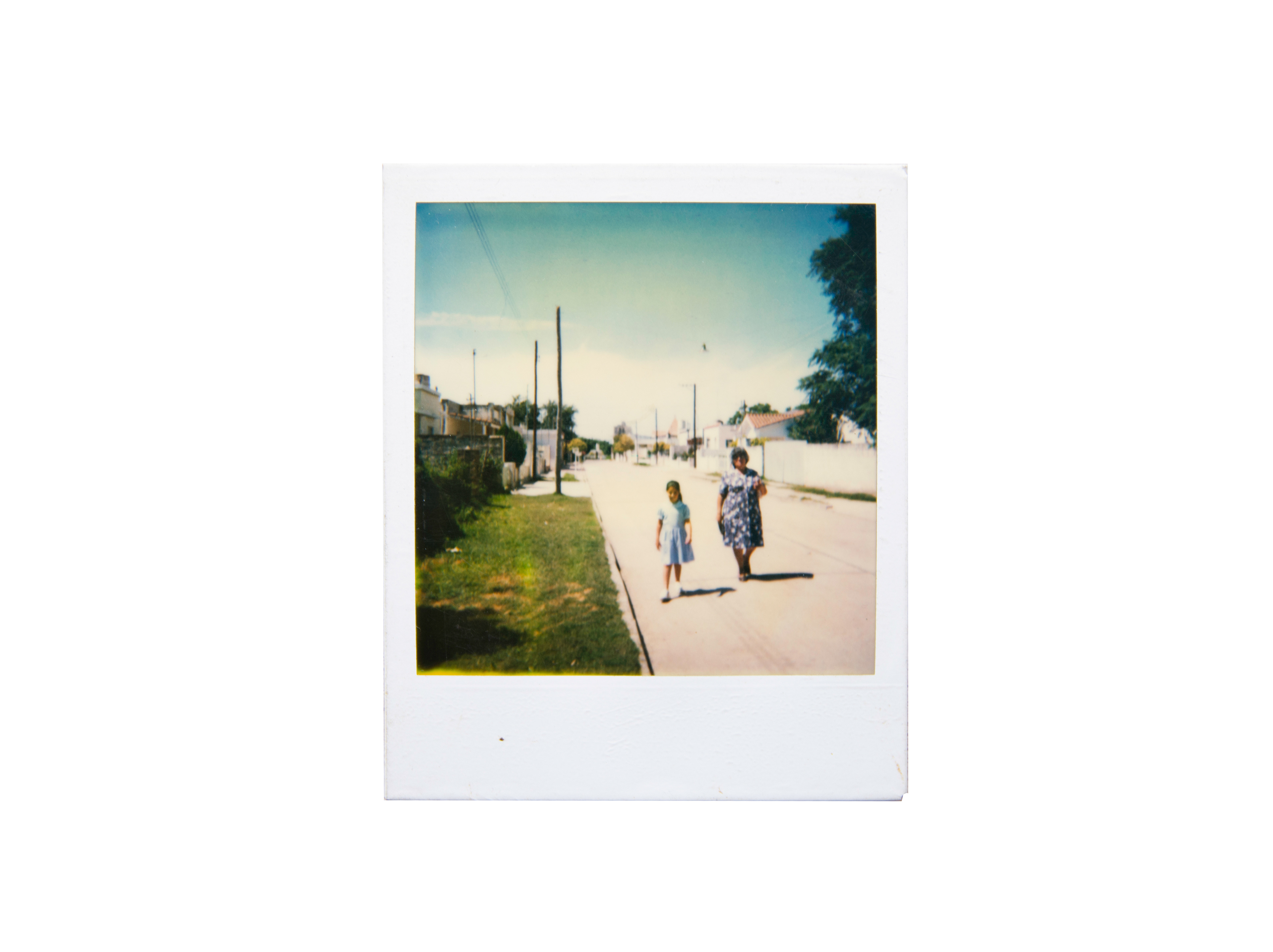
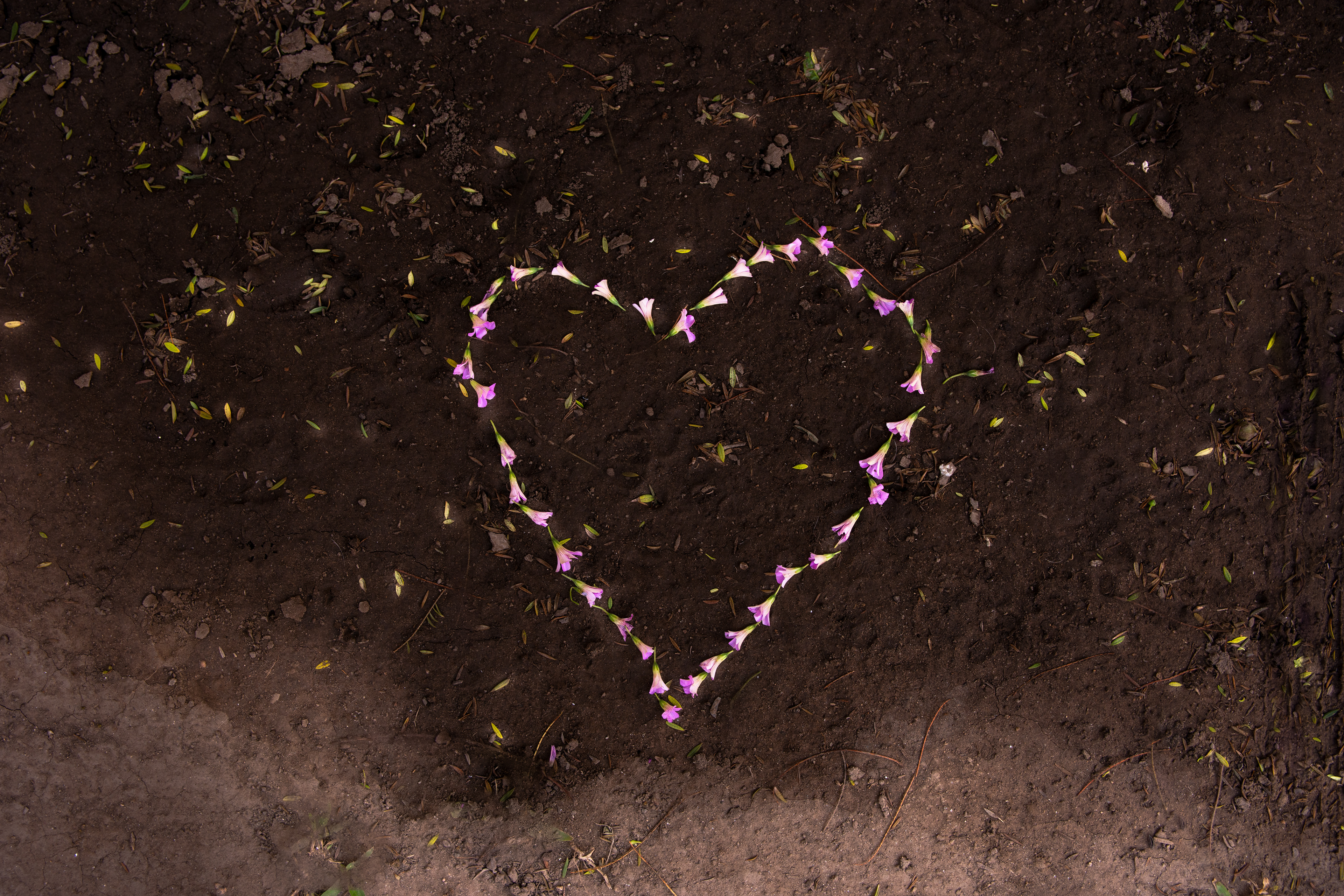
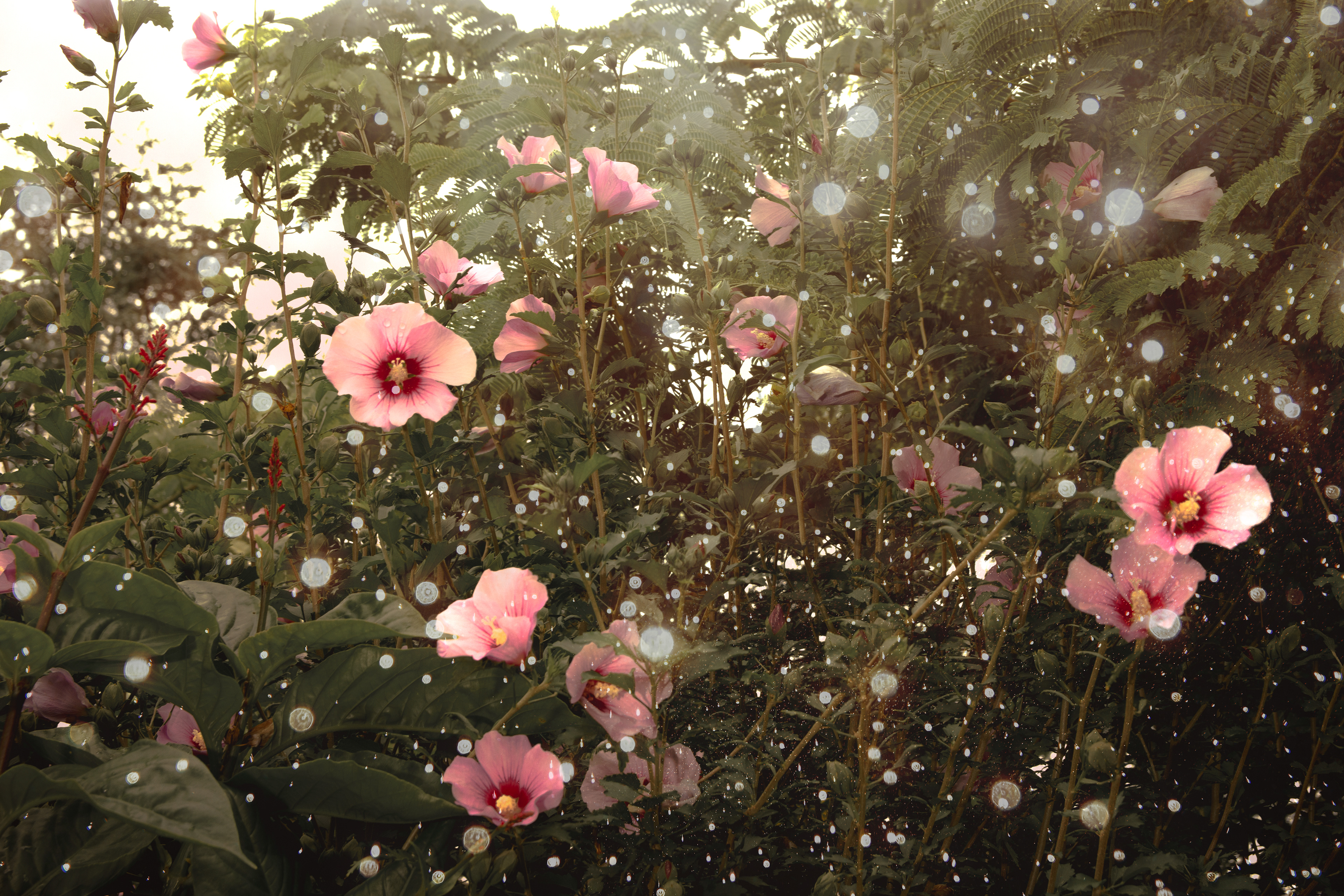
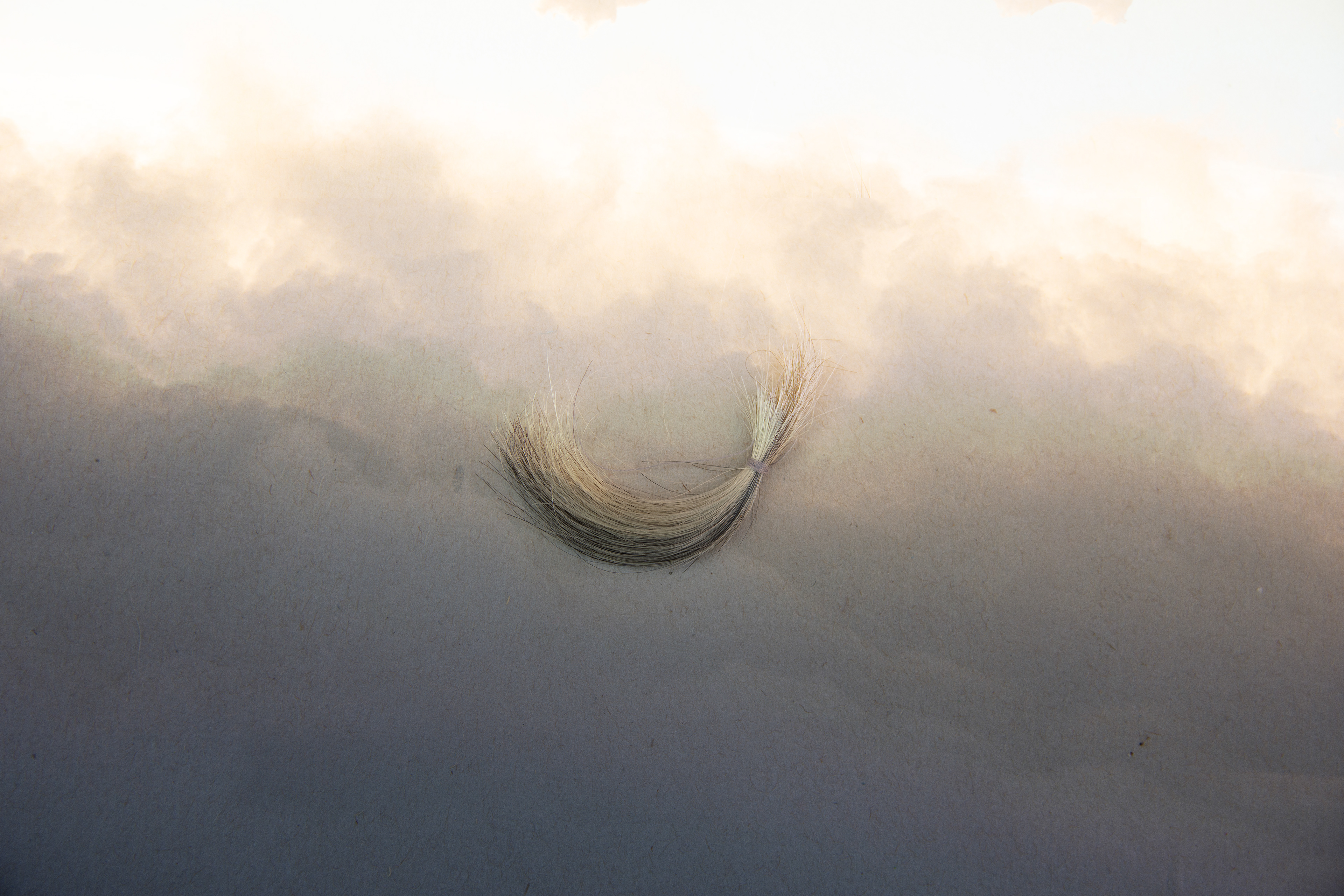
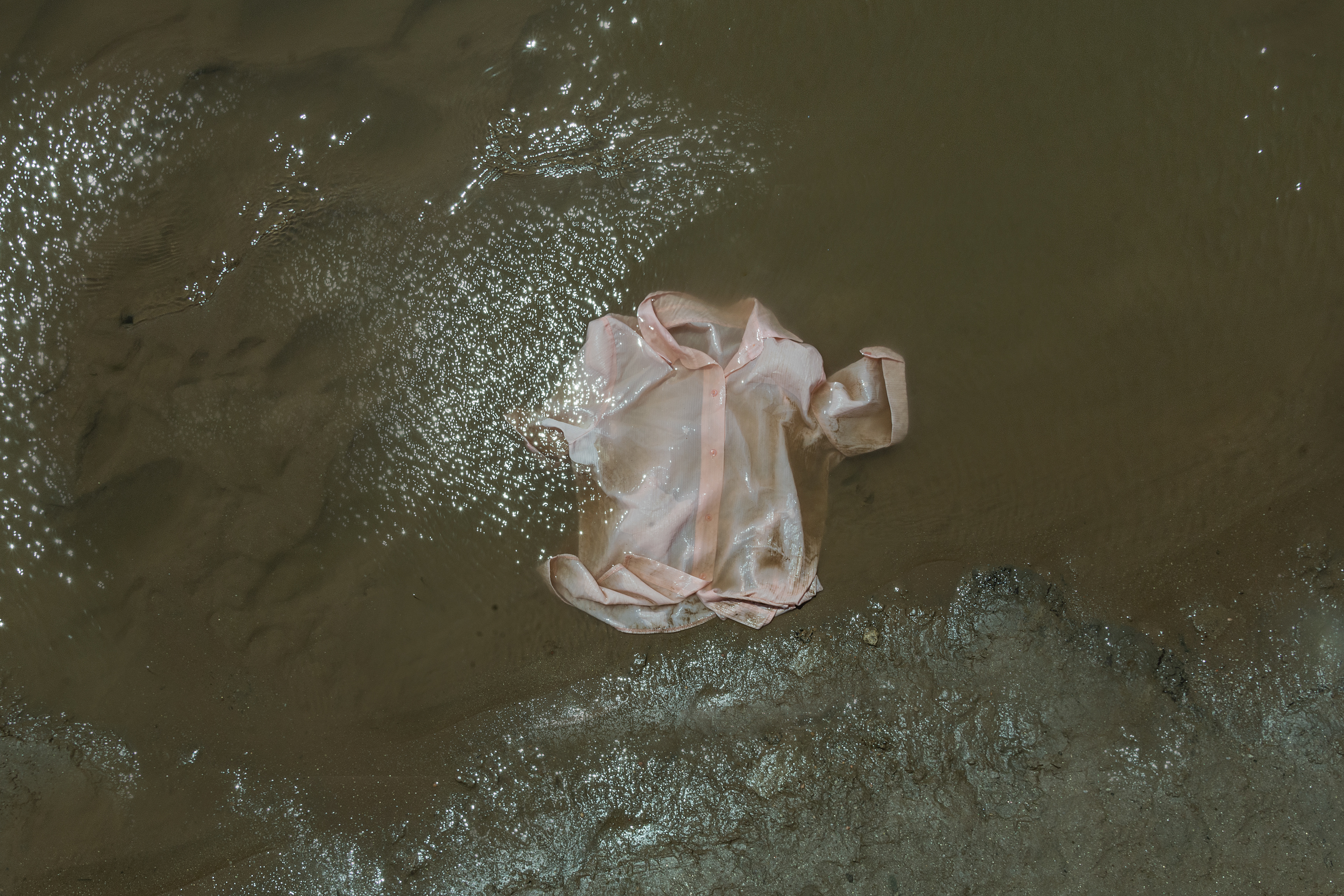
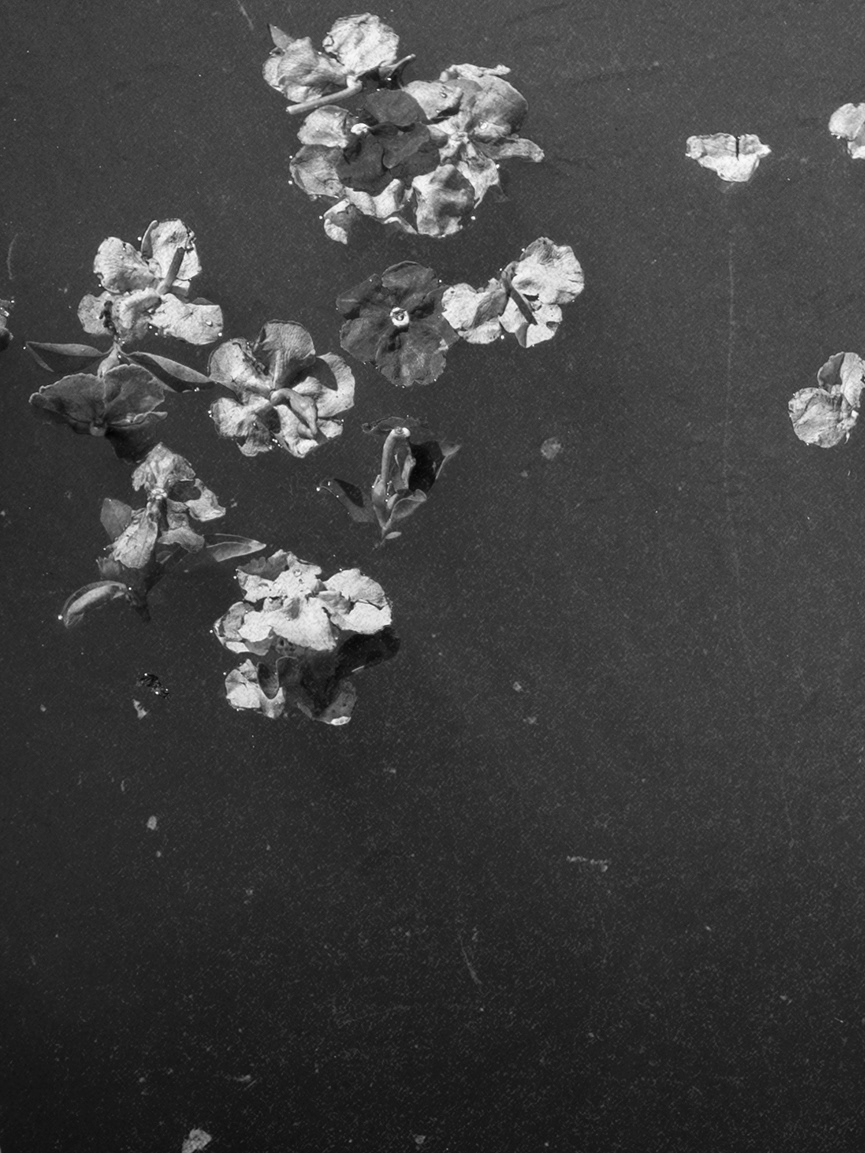
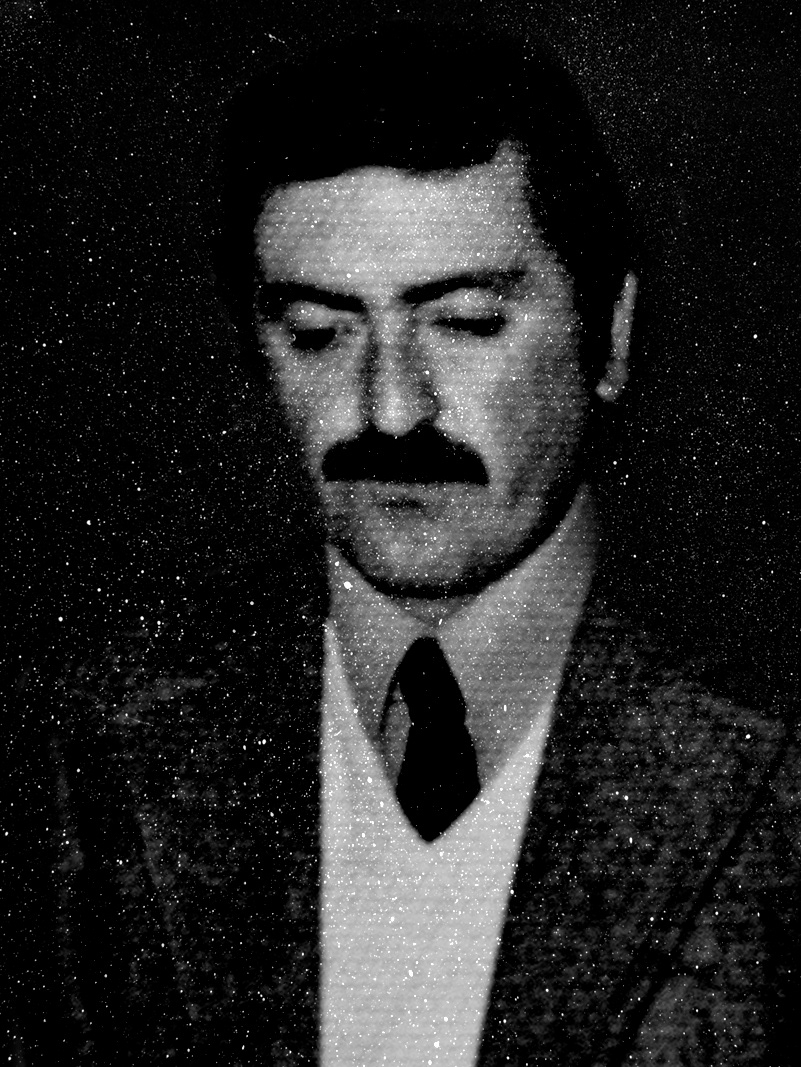
La carta de la abuela Julia se constituye en el epicentro de un proyecto que, se despliega entre diversas imágenes, donde los vestigios del cuerpo en la tierra y el alma en tránsito, se materializan alrededor de lo cotidiano.
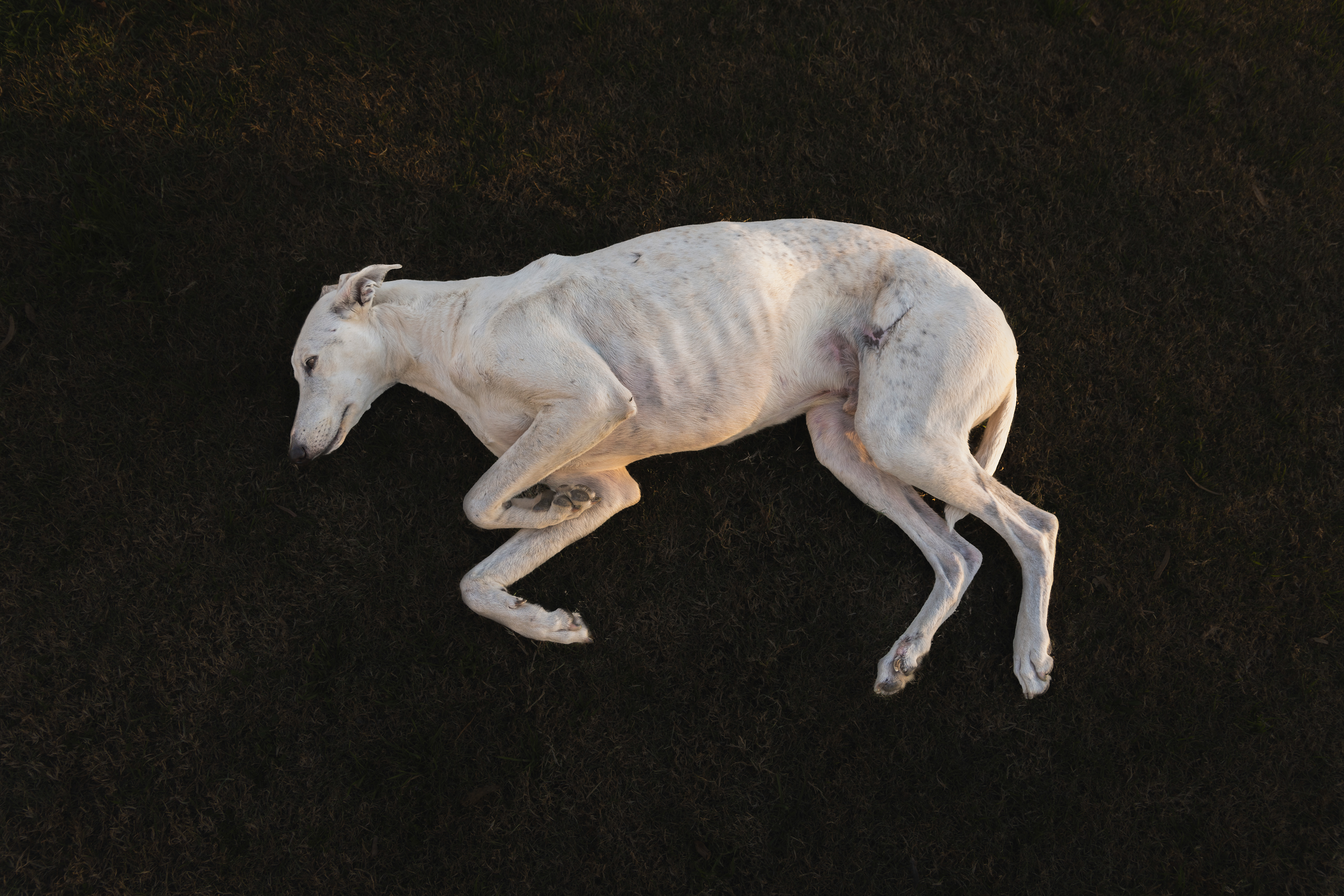
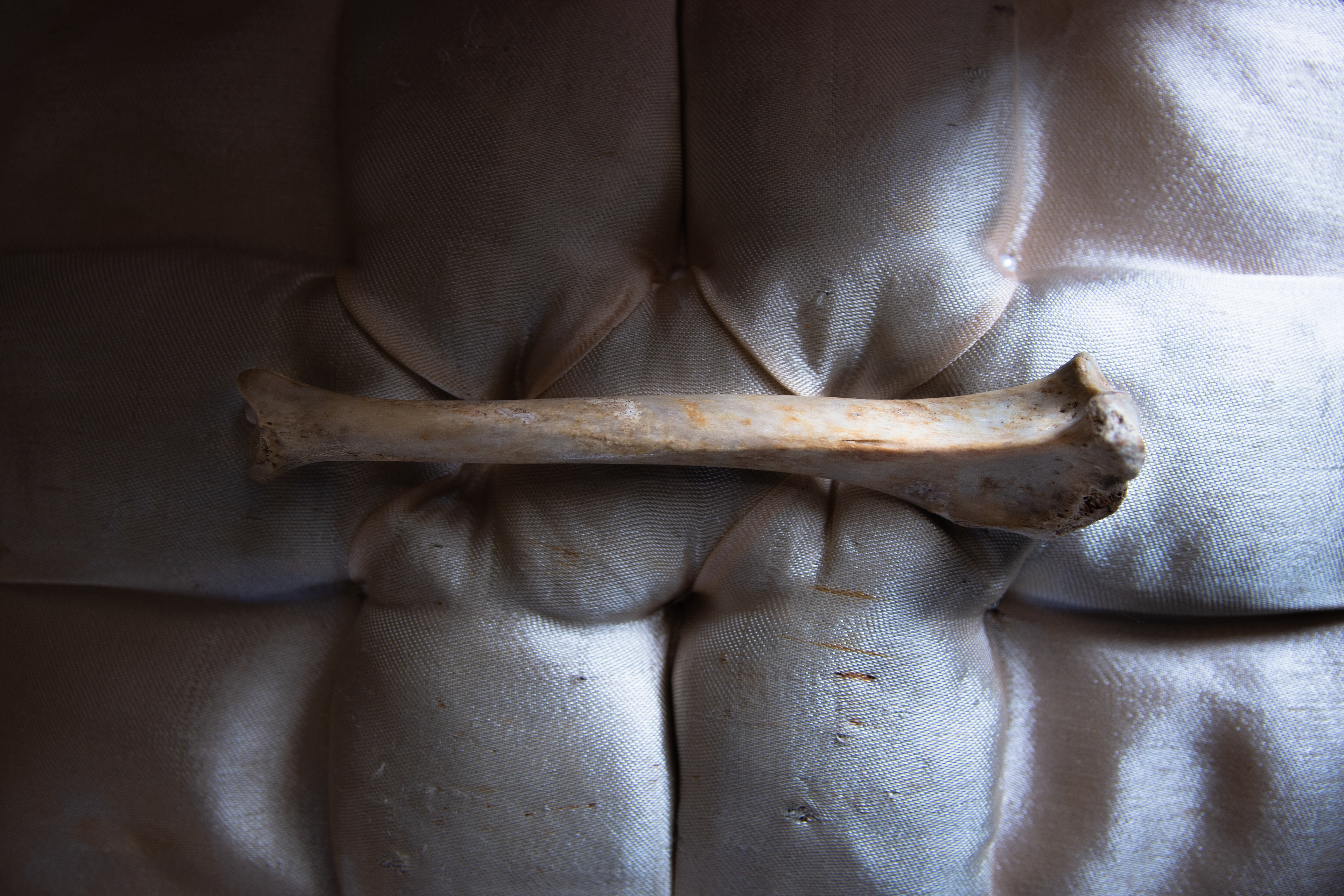
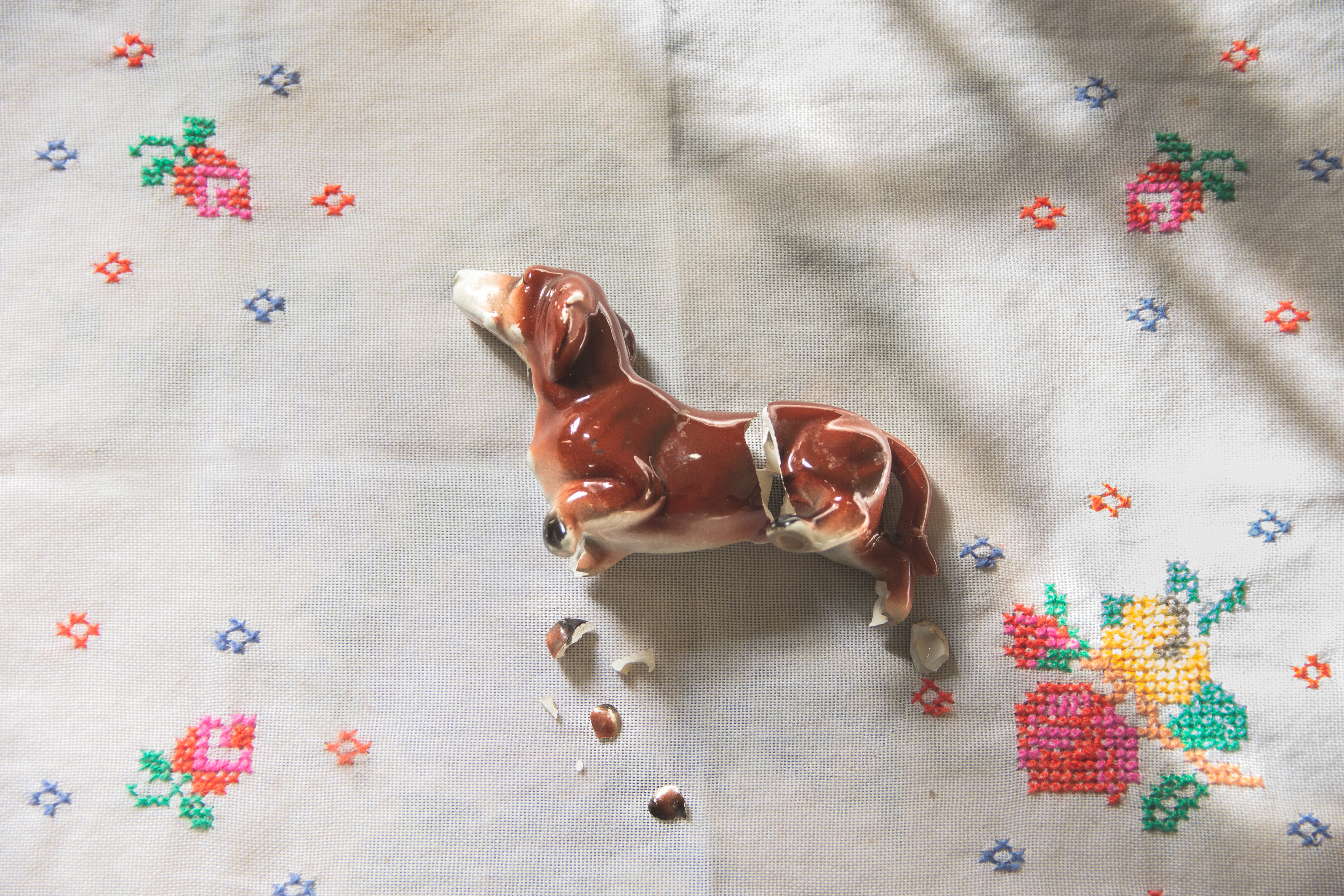
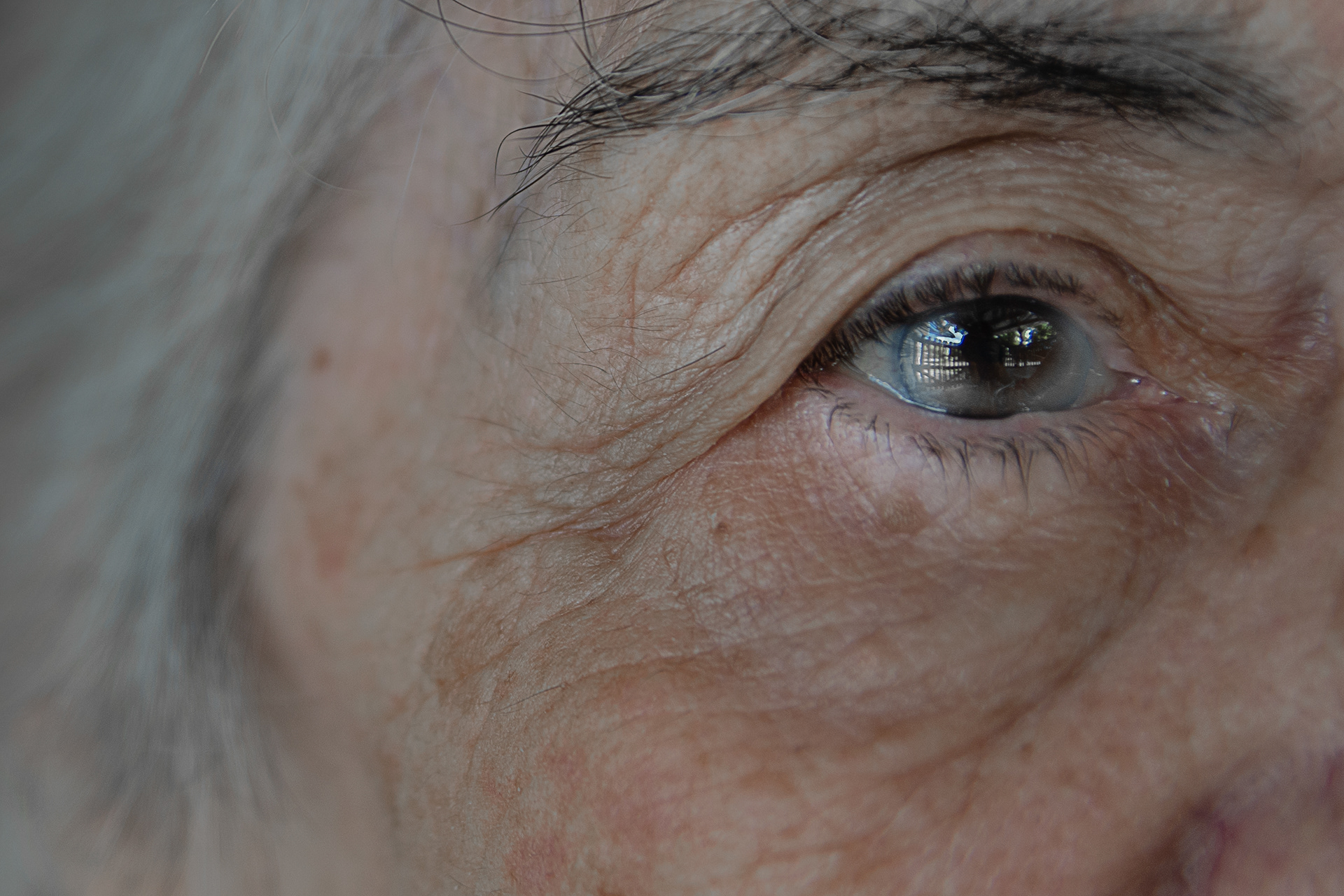
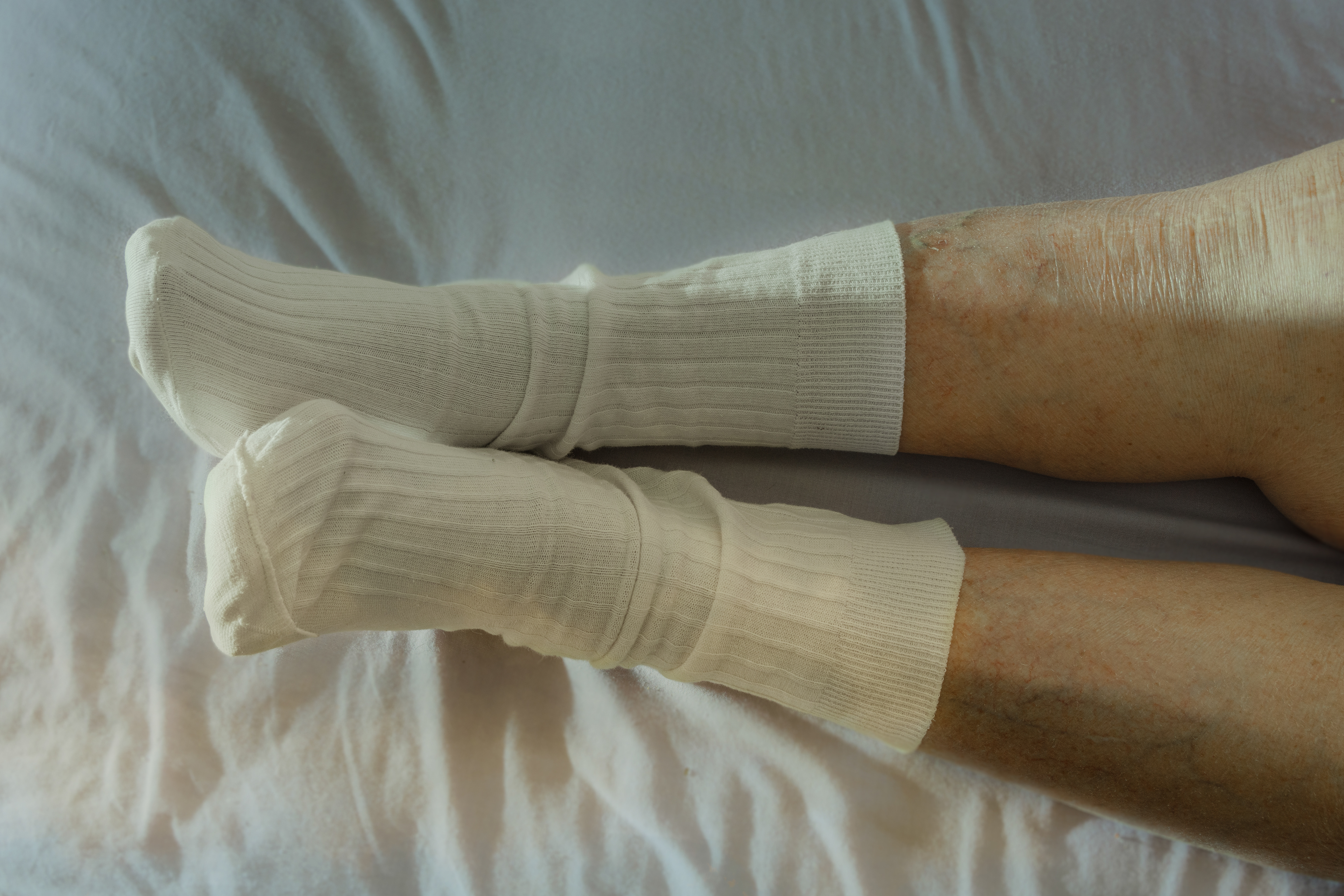
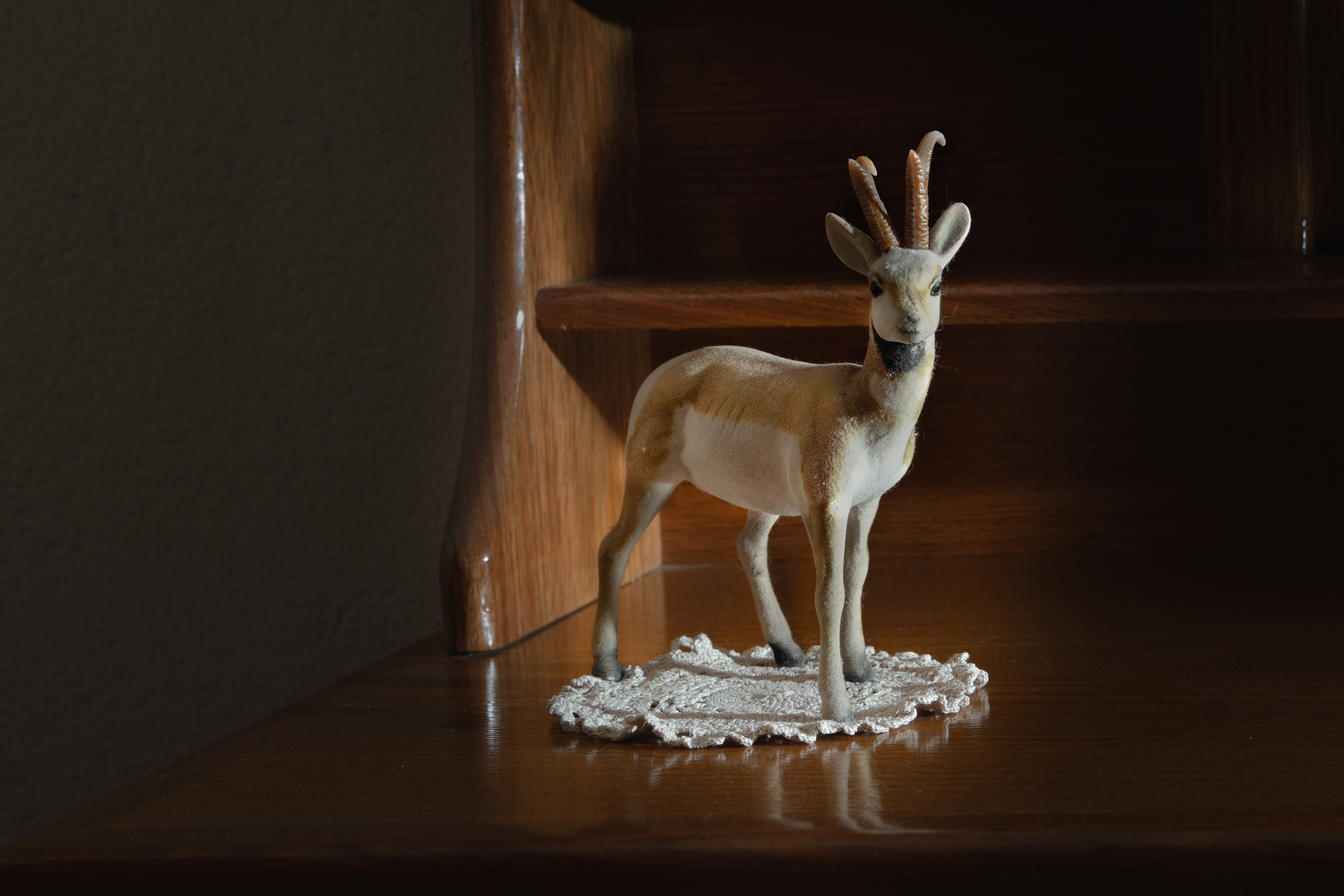
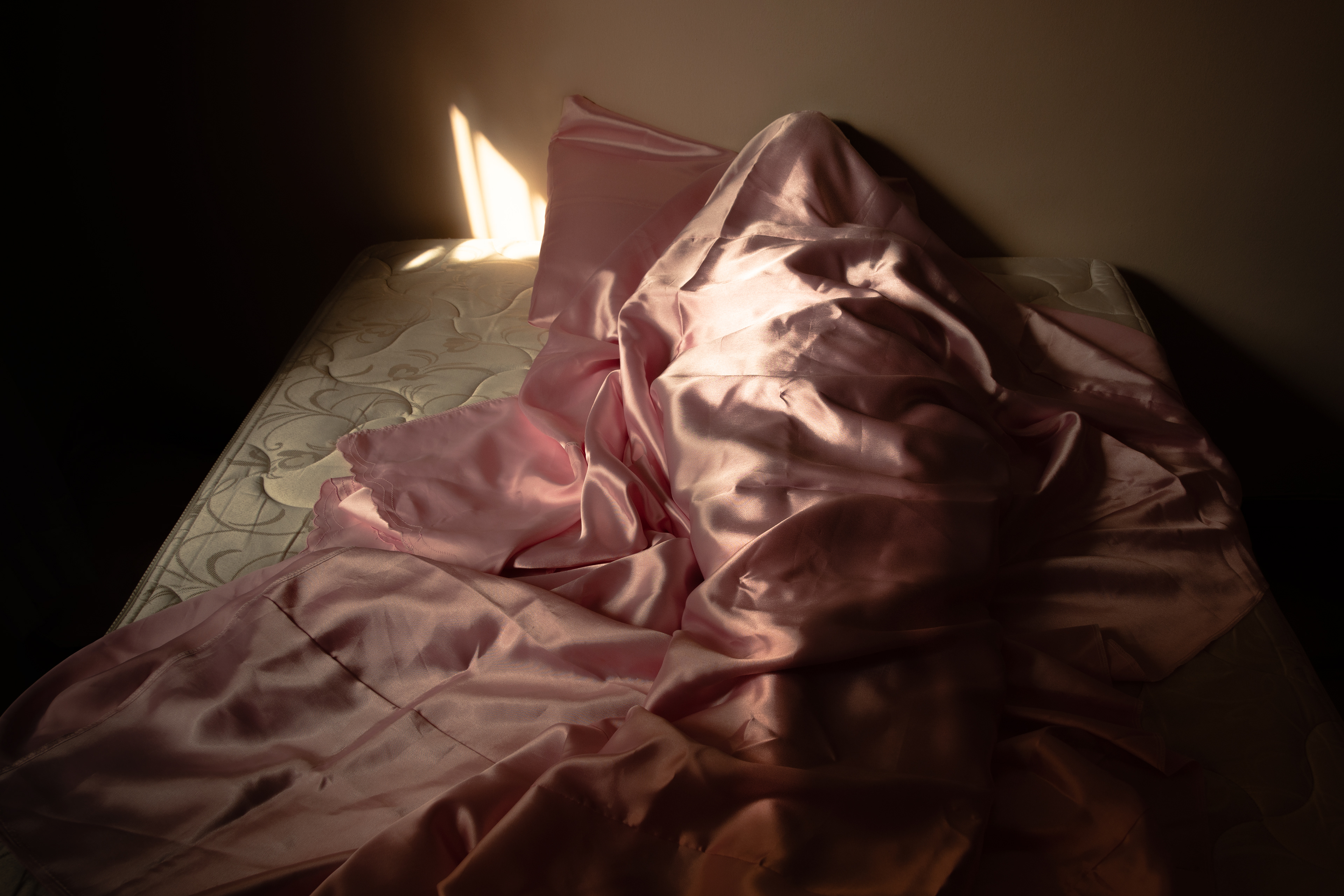
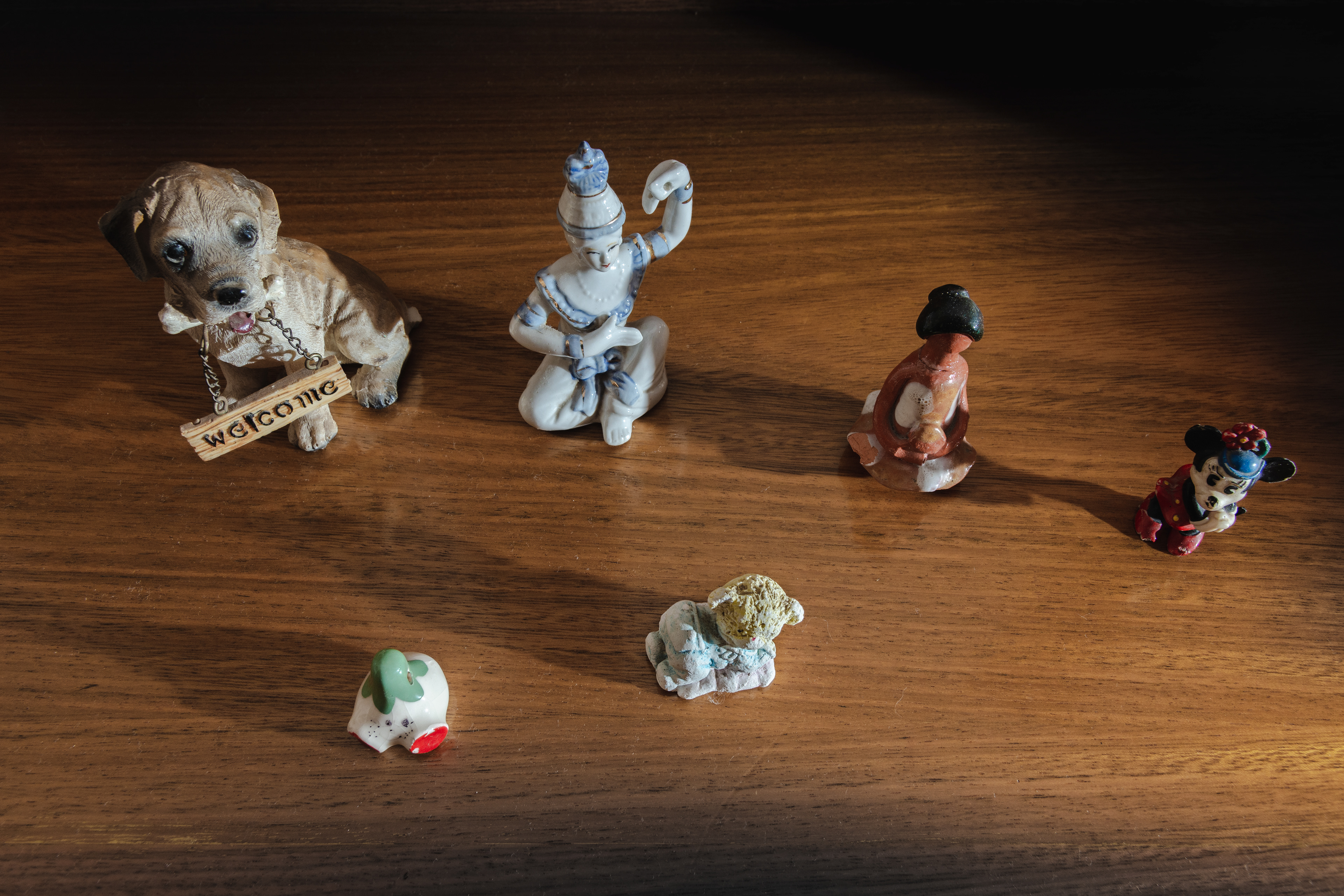
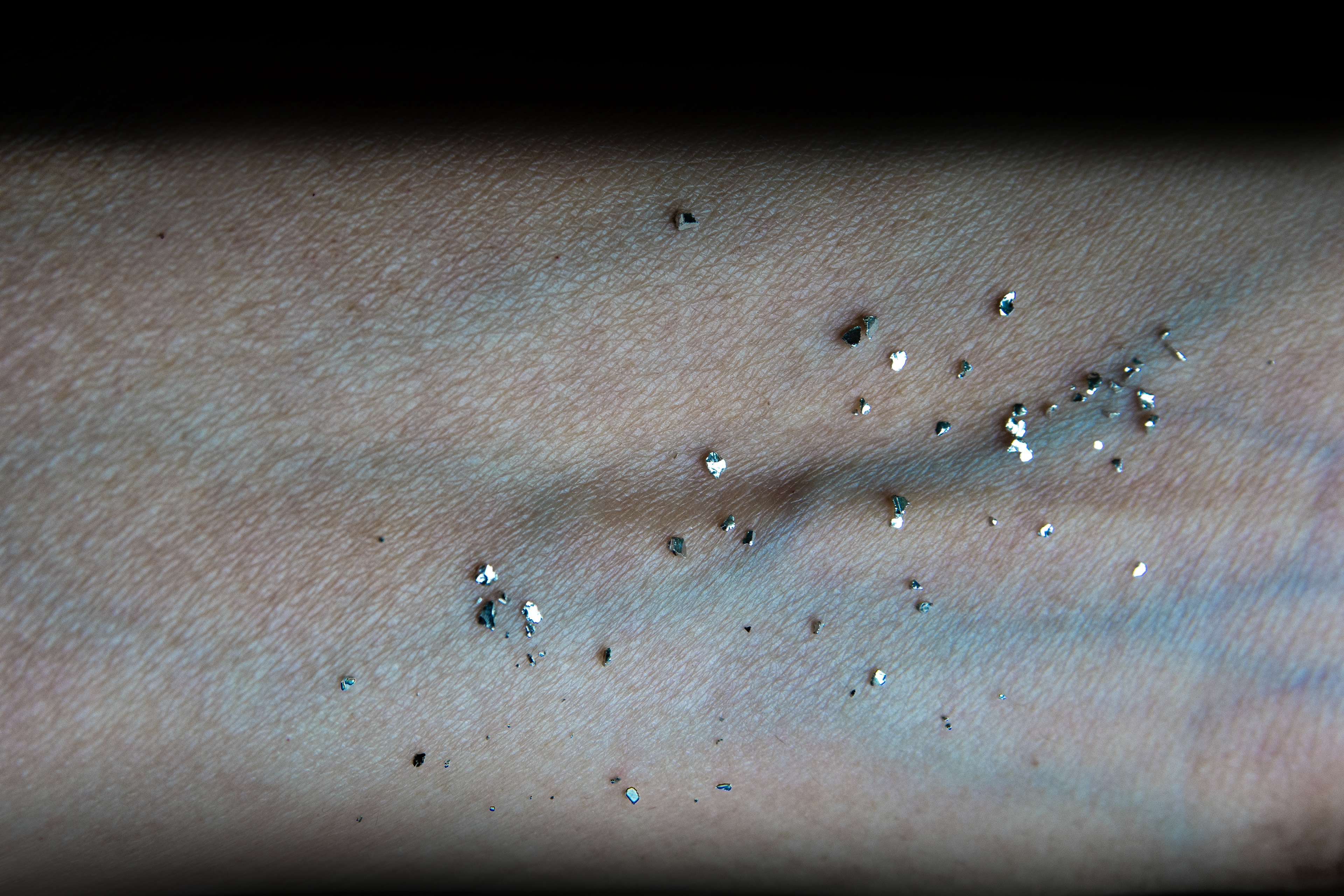
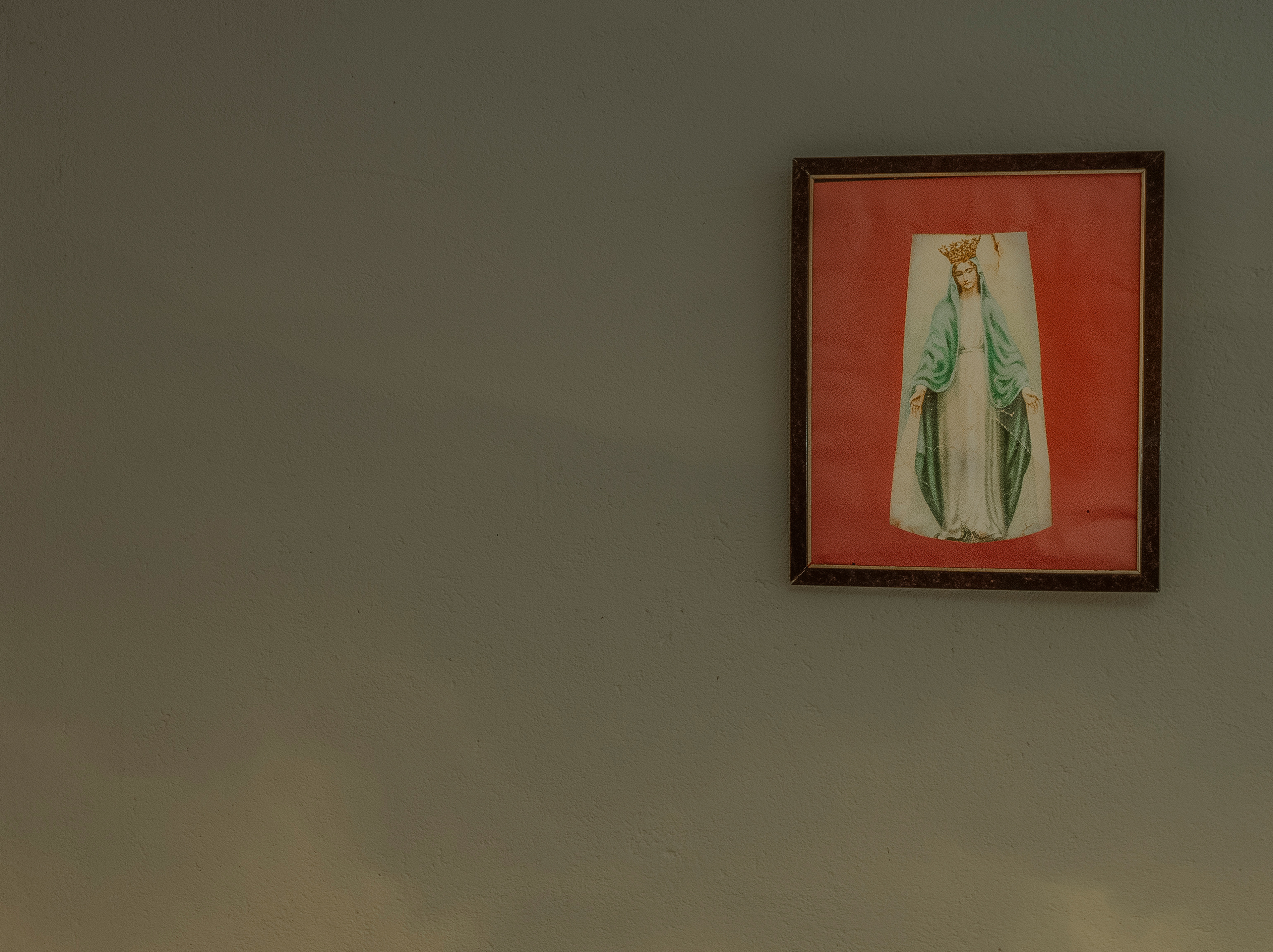
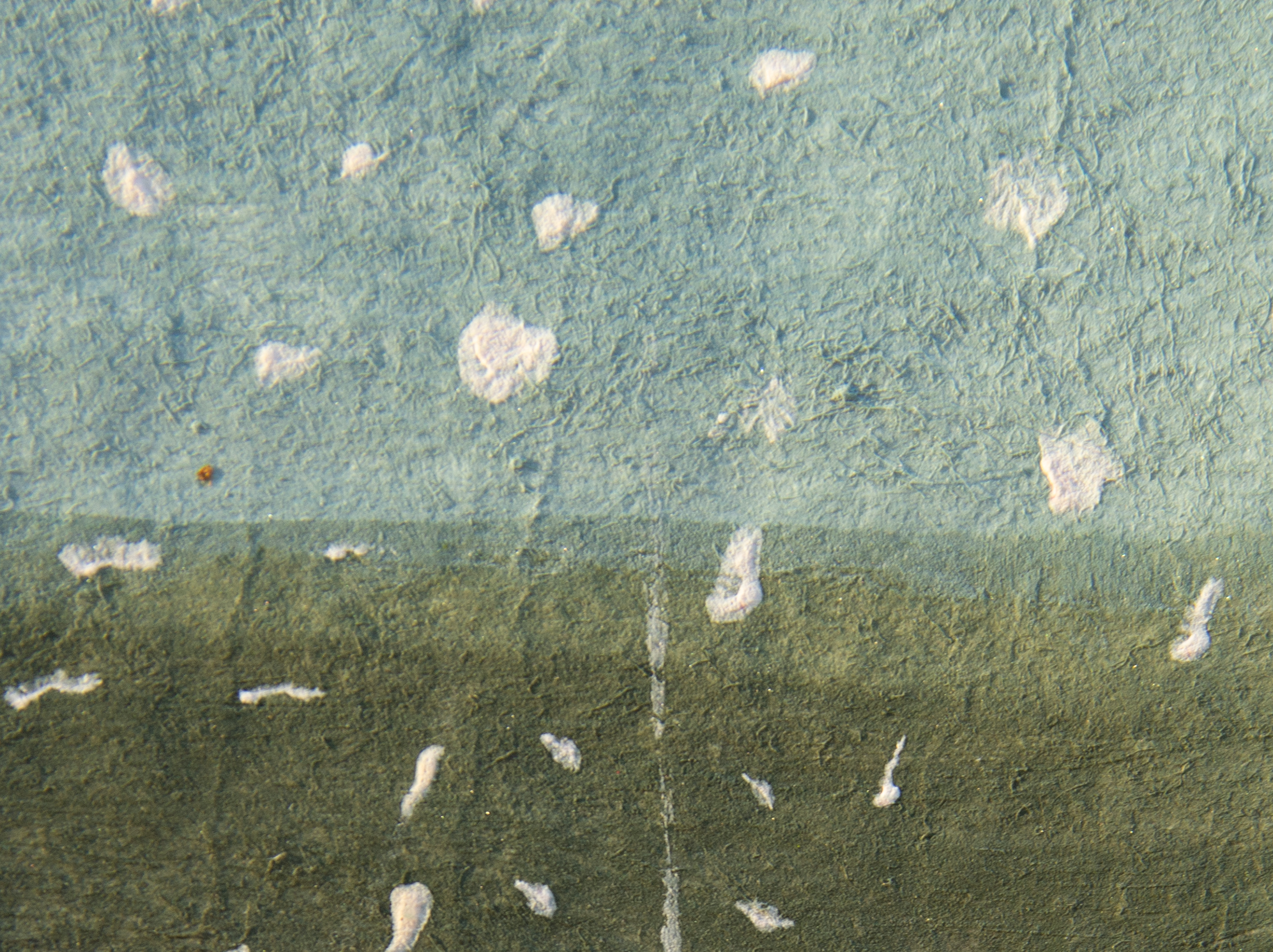
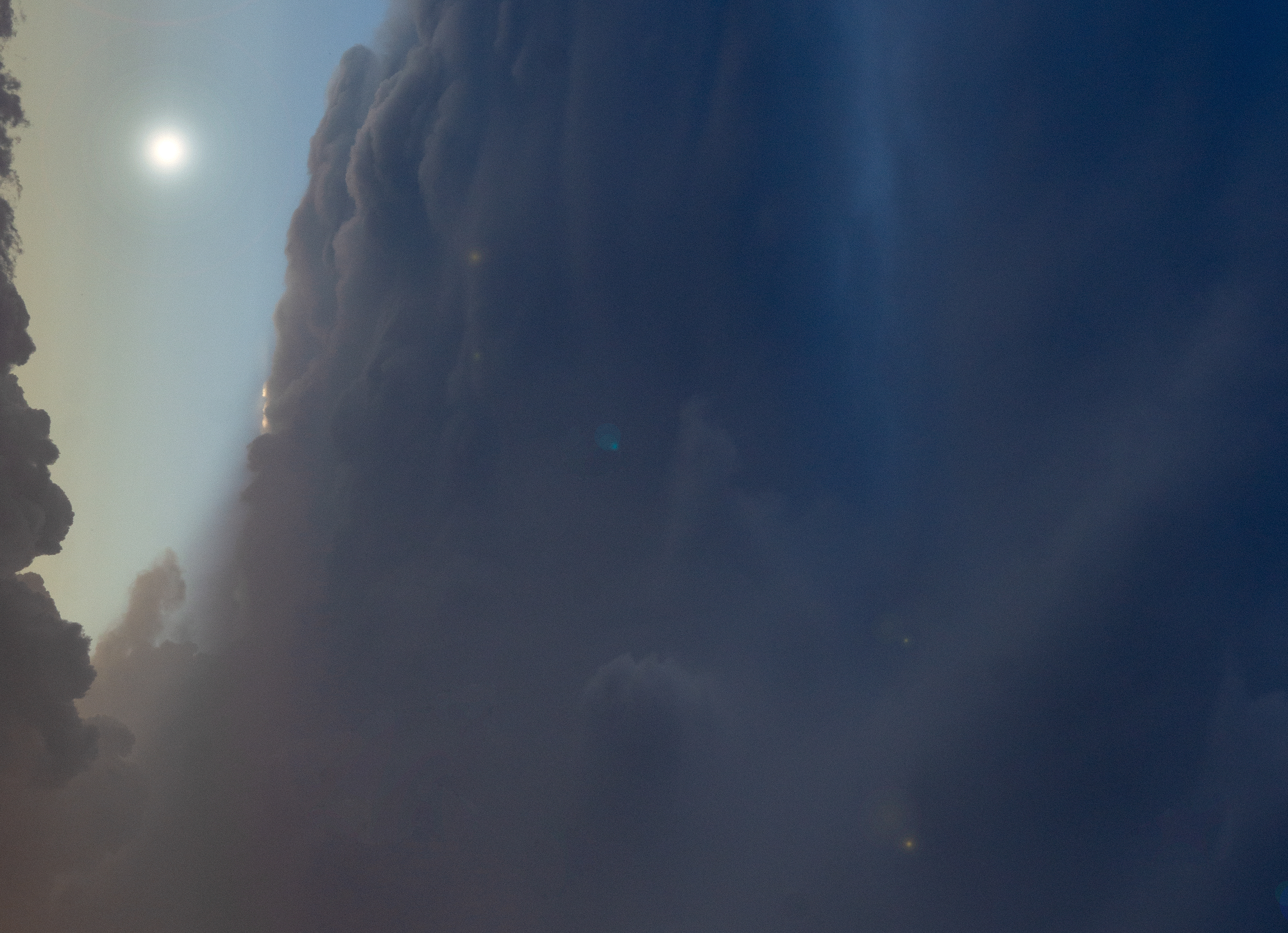
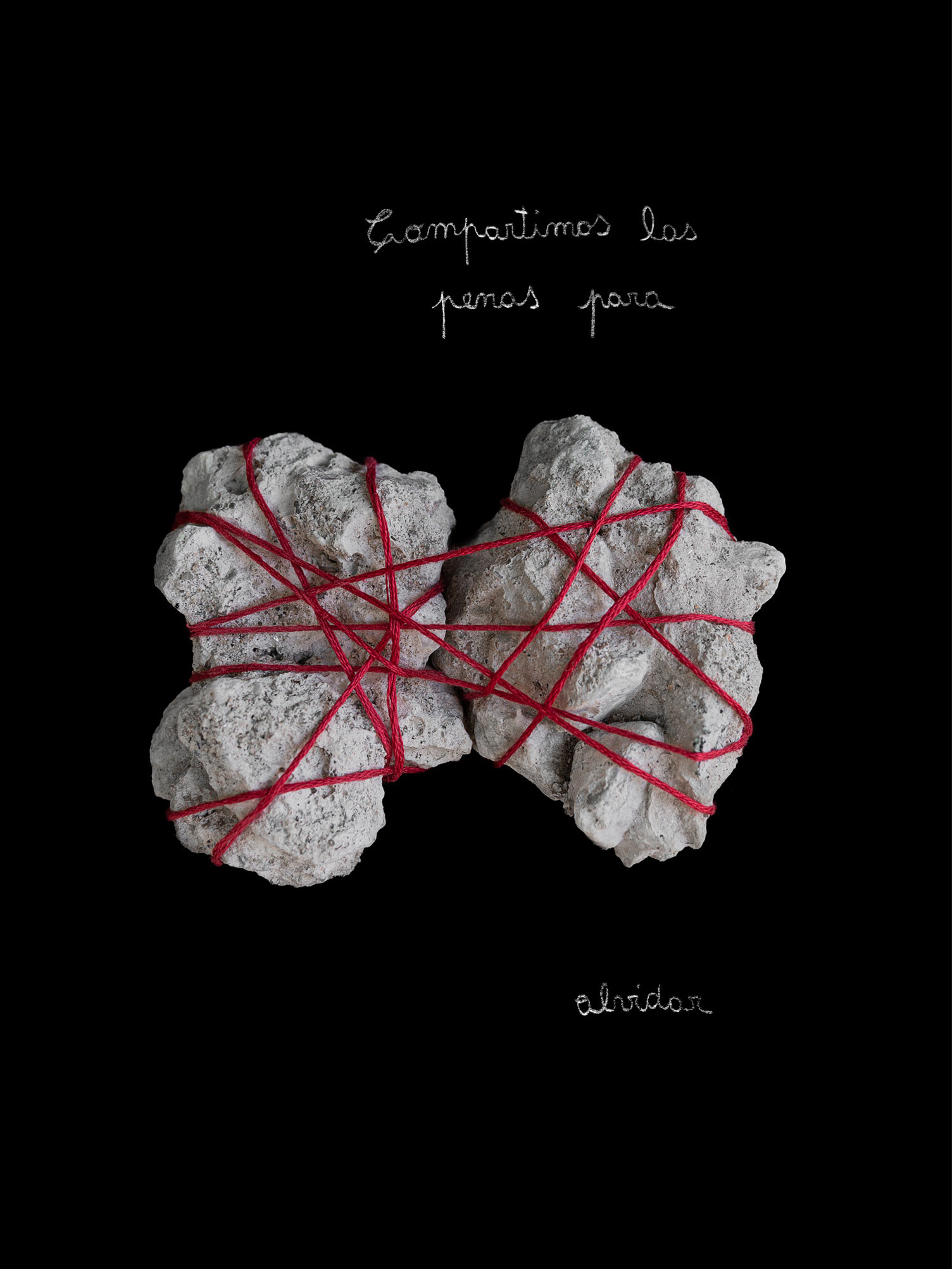
Las imágenes de Soledad incorporan, de alguna manera, la cartografía espiritual de Julia, porque se organizan alrededor de un punto de tensión, en el centro de la escena visual, un espacio que, descubre para la mirada, la espacialidad de la carta. Un hueso sobre un sofá, un perro de porcelana roto, una piedra sobre un cielo oscuro, una rosa en su jardín y una cama donde la luz de la ventana abierta cae sobre un cuerpo tapado. El ojo de Julia, también, aparece en esa colección de formas, en el compost de lo visible.
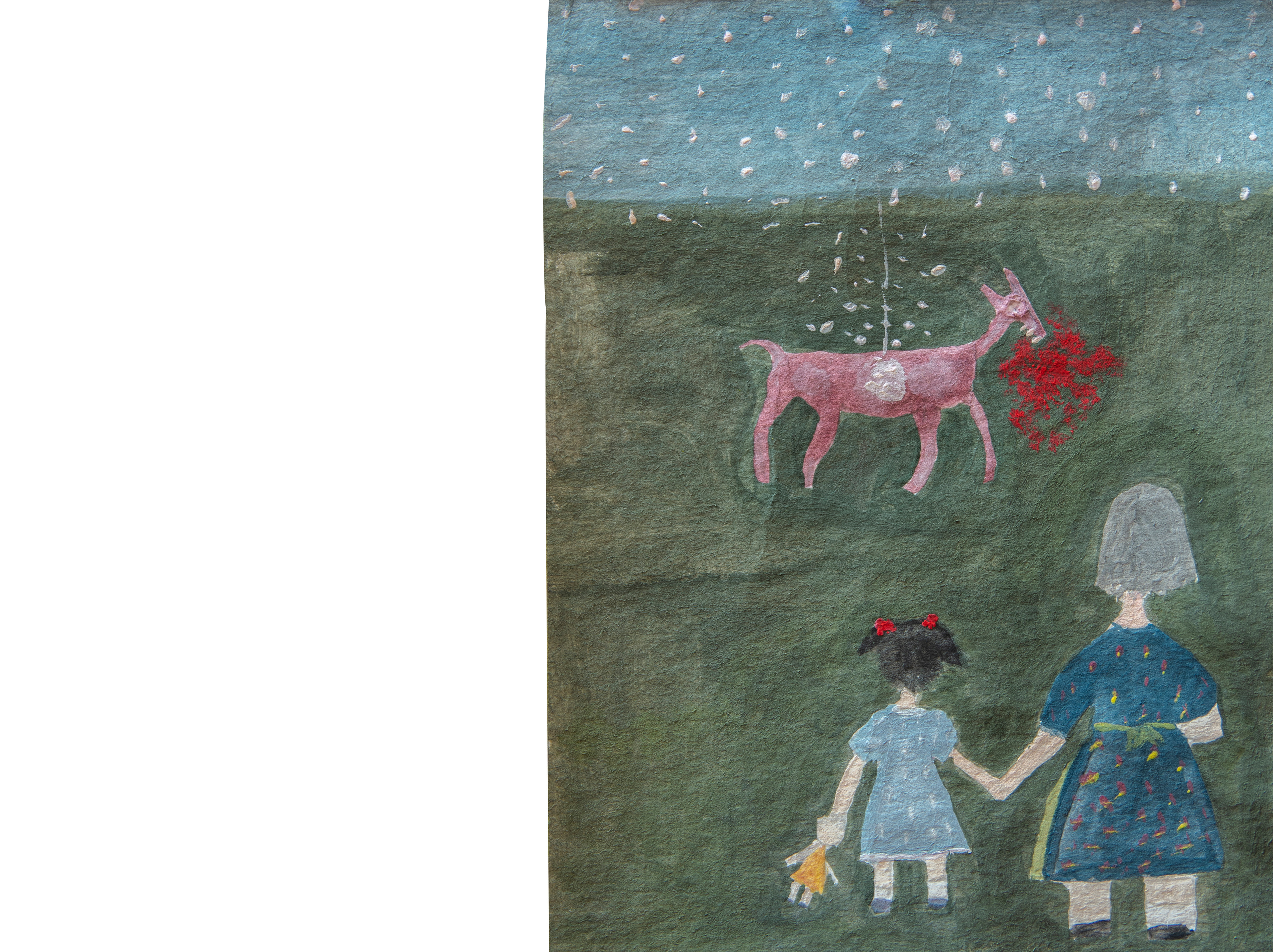
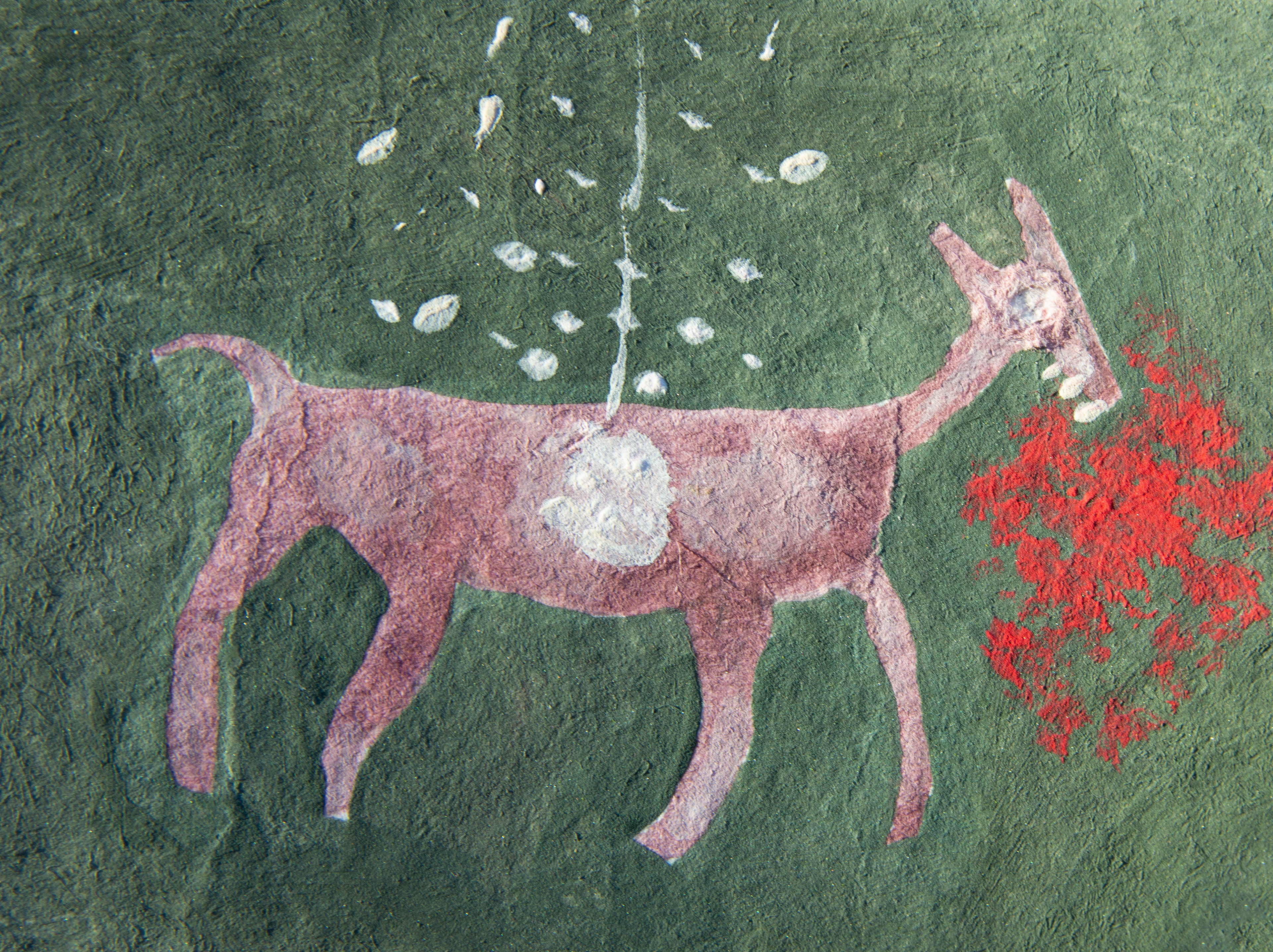
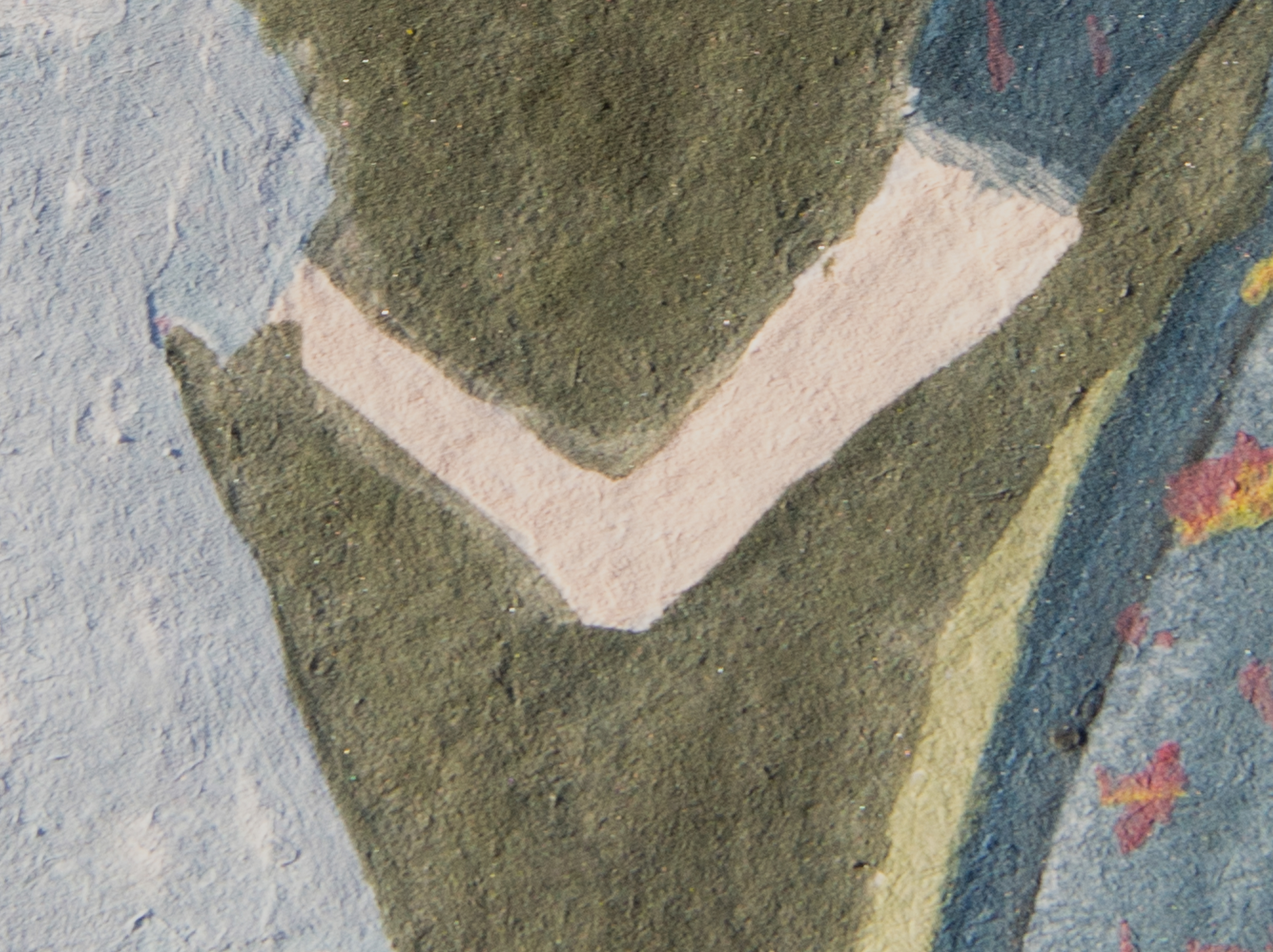
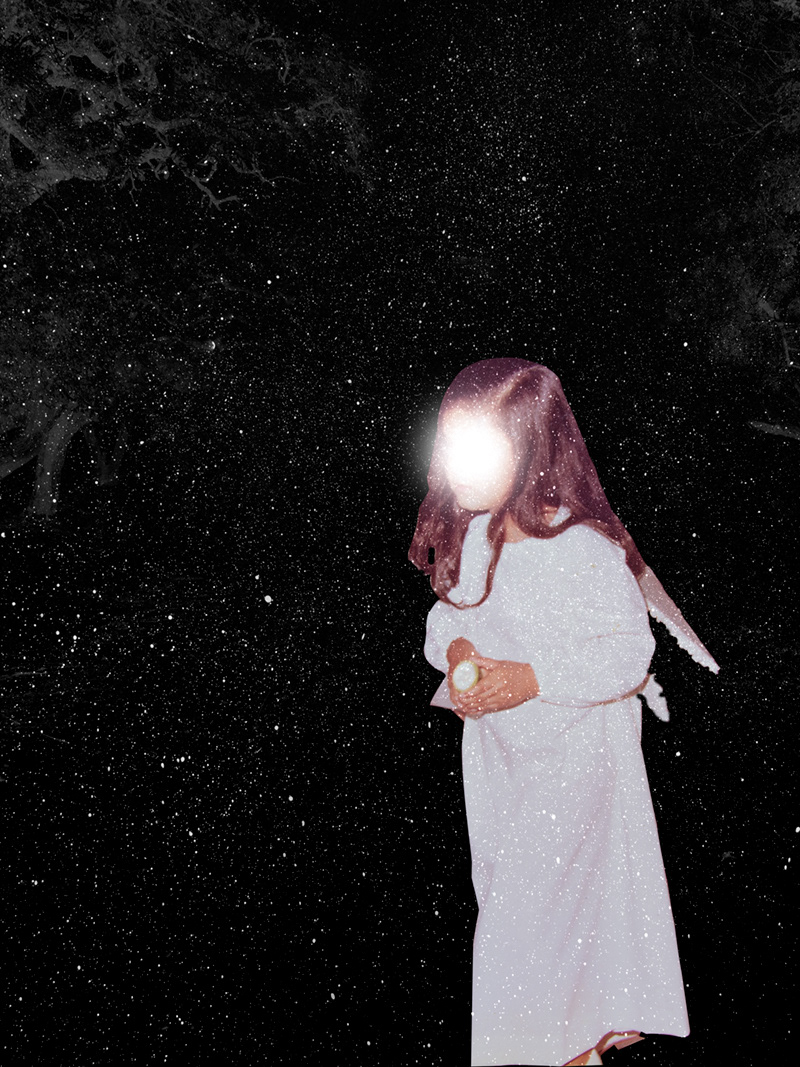
Por último, una pintura de una niña y su abuela tomadas de la mano, dan la espalda al espectador, mientras observan un animal, un perro, sobre el fondo de la escena un cielo estrellado, las estrellas llueven al interior del perro, animadas por el movimiento de lo misterioso y lo inexplicable. De alguna manera, ellas, abuela y nieta, espían a través de la noche una escena originaria, como un teatro de sombras donde las cosas replican el nivel más sutil de su existencia. La niña lleva un juguete en la mano, los objetos pueden ser portales, las estrellas abren con su luz los cuerpos, se mezclan, se despiden y se vuelven a encontrar. En el paisaje, en el mundo de los vivos y de los muertos, en el laberinto de la materia.
Mariana Robles
The Secret Cycle
Stories cultivate the art of prolonging the experience of presence.
It is the art of rhythm and landscape between various worlds,
the art of making several voices felt. To hesitate, to walk in the middle,
a true middle, not that of a line, but that of multiple lines.
Vinciane Despret
A message in a letter inaugurates a series of rituals woven around an absence—or rather, around what becomes absent in death. The letter, written in lowercase, is clearly treasured by its recipient, who grants this delicate narrative fiction a ceremonial, sacred character.
On a sheet of notebook paper—the same kind children take to school—Julia writes an epigraph. In the oracular metaphysics of her verses, she lays out the coordinates for an investigation into what appears and disappears, into the visible and the invisible. The body remains in the earth. The soul goes to heaven. The narrow lines can barely contain the undulating anatomy of her cheerful, flirtatious letters—letters that, in their precise arrangement, offer the curious, meddlesome reader a strange and complex version of a long theological and philosophical debate. Yet the letter doesn't speak with the voice of someone imposing a truth, but rather as an intimate message from grandmother to granddaughter, from Julia to Soledad. The privacy is so absolute that the white paper itself bears traces of this introspection: folded in quarters to hide the message or incantation within its precarious architecture. The casual origami of the fold creates for the reader's eye a composition of verticals and horizontals overlapping at a center. This abstract landscape, created by the performative act of folding, joins the grandmother's conceptual message, though both unite in the affective dimension. It's striking to read the grandmother distinguishing heaven from earth while observing how her hands reiterate and trace this separation, without hesitation, through a simple gesture.
What's being conveyed here is not scientific truth but a certainty—a vision confined to a particular possible world where grandmother and granddaughter share a secret. Yet Julia's affirmation carries a wealth of references, layers of meaning embedded in these statements. First, the distinction between earth and heaven, joined by the division between body and soul. Remember what she wrote: "The body remains in the earth. The soul goes to heaven." The period dividing these two statements acts like a horizon line between heaven and earth. But Julia alerts us to a small inversion she lets slip in this family letter: she mentions earth first, then heaven. In this order she arranges the elements of an apocryphal landscape, in writing meant only for her and her granddaughter. In this secret oracle, the grandmother whispers to her granddaughter that on earth—not in abstract worlds but in the matter from which life springs, the trees, flowers, and water; in the matter from which all things were made and in which bodies have always participated—this is where the body always remains. The body won't go anywhere. The body remains in the earth, entangled with things, without drama or excessive melancholy. The body remains in the earth. But she says the body, not my body, letting us understand that every body stays where it has always been—her mother's body, her mother's mother's body, her daughter's body, her granddaughter's body, and so on. There, in a great pagan compost, living and dead gathered in the inexhaustible earthly source.
The second statement mirrors the first while opposing it. Here we read that the soul goes to heaven. Unlike the first statement, where what's on earth stays there, the soul—also found on earth—departs. We also know, because Julia has made it clear, that for the soul to leave, the body must remain on earth. The body must rejoin the earth where other bodies have remained, and this decision to stay on earth propels the soul to leave. Though we must consider an earlier assumption: Julia admits the existence of the soul—a soul that can depart, perhaps not far (the location of this heaven remains an open question). What we know is that the soul is in movement. Somehow, the soul leaves the body because the body abandons its human form, remaining on earth and becoming matter.
Now, if her writing had announced the soul's departure first, we'd be left with a condemned and abandoned body. But the reverse happens. The soul—which constitutes the being that defines this body and is one with the flesh—withdraws to heaven, separates from the body, once the body ceases to be one. The soul, then, is a mysterious excess of that body, the subtle and marvelous breath that animates every singular faculty to make us individuals, unique, like Julia and Soledad.
Following Julia's oracular instructions to locate her heaven, we deduce it lies beneath the earth. In that case, it's quite possible that the roots in the earth of the sacred compost reach down to graze and touch that subterranean heaven—even feeding on its deep, brilliant minerals or drinking the clear waters of the invisible, listening to and imitating the precious language of traveling souls.
These symbolic territories—earth and heaven—are populated by infinite mythological, magical, and religious beings. They meet at a delicate dividing line, a fragile frontier where subterranean heaven and celestial earth are highly susceptible to mutual contamination. While Christian heaven stands as the most unreachable geography and earth as the region of the inevitably sinful body, Julia's spatial organization reverses this: earth is superior, while heaven lies in some concavity, in the hollow beneath that earth, in constant transformation. In this context, transformation evokes what Emanuel Coccia defines as metamorphosis: Metamorphosis is at the same time the force that allows every living being to unfold over various forms simultaneously and successively, and the breath that allows these forms to connect with each other, to pass from one into the other.
Unintentionally, with the clearest and most careful handwriting of love, a grandmother inverts the established order to grant what she loves a secret landscape. Before the body stays on earth and the soul goes to heaven, Julia gives Soledad—"Solita"— her alone, a very precise letter, exact directions for where to find her. It's clear this place is an invention between them, neither the earth nor heaven of established religious canons, not the categories of science, nor anything that can be generalized.
In this sense, the letter is more than a message of complicity and beauty—it's a device for living in this world. The letter establishes no temporal measurements, no differentiated conditions between living and dead. What the letter might be saying is that the body always tends to remain on earth while the soul always seeks the celestial. This tension between body and soul would be powers and forces installed in our very vital condition. The grandmother's last words to her granddaughter point toward a second level of search: that place where earth and heaven invert their positions is part of the vital process, not its culmination. It's a means to find her and keep asking her questions, just as Vinciane Despret writes in "Our Grateful Dead": ...to approach the question in such a way that neither the living nor the dead are lost from sight, is to learn to follow them or to find them through what unites them, through what keeps them together.
On earth, all bodies meet—including memories and vestiges of matter in vital becoming. The living can thus open themselves to death to understand that within it, life is what it is, granting the dead the capacity for transfiguration so that in matter, the visible and invisible are threaded together like pearls on a necklace, gathered around the neck, carried on the body.
Grandmother Julia's letter forms the epicenter of a project that unfolds through diverse images, where vestiges of the body on earth and the soul in transit materialize around the everyday.
Soledad's images incorporate Julia's spiritual cartography, organizing themselves around a point of tension at the center of the visual scene—a space that reveals to the gaze the spatiality of the letter. A bone on a sofa, a broken porcelain dog, a stone against a dark sky, a rose in her garden, and a bed where light from an open window falls on a covered body. Julia's eye also appears in this collection of forms, in the compost of the visible.
Finally, a painting of a girl and her grandmother holding hands, their backs to the viewer, observing an animal—a dog—against a starry sky. The stars, animated by the movement of the mysterious and inexplicable, rain into the dog's interior. Somehow, grandmother and granddaughter spy through the night on an originary scene, like a shadow theater where things replicate the most subtle level of their existence. The girl carries a toy in her hand. Objects can be portals. Stars open bodies with their light. They mix, say goodbye, and meet again—in the landscape, in the world of the living and the dead, in the labyrinth of matter.
Mariana Robles